
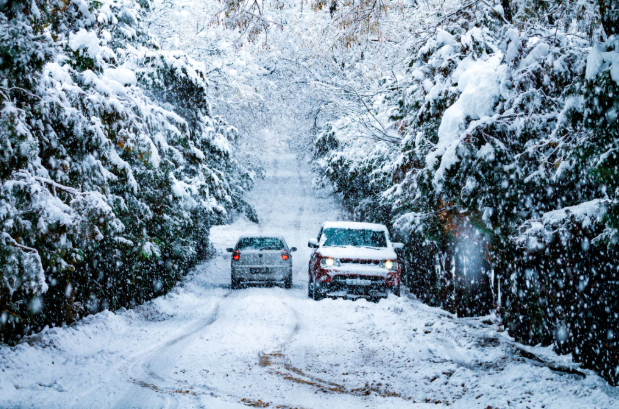
Quebec winters punish engines that were built to chase quarter-mile times rather than survive a January morning in Trois-Rivieres. A forged bottom end, aggressive cam, standalone ECU, and tight clearances all behave differently once ambient temperatures drop below minus twenty. Preparing a tuned motor for this climate is less about one magic product and more about rethinking fluids, electrical load, boost response, and daily driving habits.
Tuners spend hours in forums comparing cold-start maps the same way long-distance couples compare notes on Latin women video chat dating tools, and both communities share one truth: preparation beats improvisation. With that out of the way, let us focus on what actually keeps a modified engine healthy from November through April in La Belle Province.
Understanding What Cold Does to a Modified Engine
Factory engines tolerate cold because engineers build in generous margins. A tuned engine often trades those margins for power, which means every cold start is harder on components. Metal contracts, oil thickens, fuel atomization changes, and sensors drift outside their calibrated range.
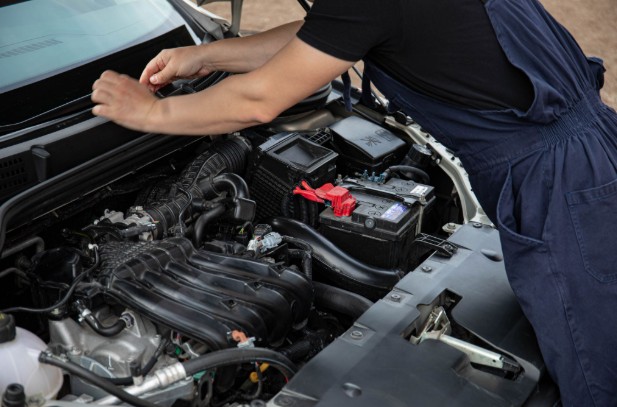
Forged pistons are the classic example. They need more piston-to-wall clearance than cast units, so they rattle on startup until they expand. At minus twenty-five, that rattle lasts longer, and the oil film protecting the skirts is thinner.
Turbocharged setups add another layer of stress because cold intake air is dense, the boost comes on earlier, and knock thresholds shift. A tune that was dialed in during a mild October afternoon can run lean or overboost on a frigid morning if no cold compensation table was built.
Fluids and Lubrication for Sub-Zero Reliability
Fluids are the single biggest lever you have before the first snowfall. Choosing the right viscosities and refreshing them on a tighter schedule prevents most cold-weather failures in modified engines.
Engine Oil Viscosity Choices
Many tuners run a thicker oil in summer to protect bearings under boost. In Quebec winter, that same oil becomes a liability. A 5W-40 full synthetic is a sensible compromise for most turbocharged four-cylinders and V6s, while naturally aspirated builds with tight clearances often prefer 0W-30 or 0W-40. The key number is the first one: a lower cold-flow rating reaches the top-end faster, which matters when your oil pressure gauge spikes to the stop on startup.
Coolant Mixture and Heater Performance
A fifty-fifty mix of ethylene glycol and distilled water is the minimum. For engines parked outside near the Saguenay or in Abitibi, a sixty-forty blend pushes freeze protection past minus fifty. Verify the mix with a refractometer rather than guessing, and inspect silicone or hybrid hoses for hardening at the clamps where cold cycles concentrate stress.
Transmission and Differential Fluids
Manual gearboxes shift like concrete at minus thirty with the wrong gear oil. Switch to a synthetic 75W-85 or 75W-90 rated for cold shifting. Limited-slip differentials need friction modifiers compatible with the lower temperature, and dual-clutch units should follow the manufacturer’s winter interval even when the car is driven lightly.
Battery, Electrical, and Starter Load
Cold weather is where weak electrical systems reveal themselves. A standalone ECU, aftermarket fuel pump, electric water pump, and large injectors all pull current the factory alternator was never sized for. Below are typical cold-weather weak points and the practical fix.
| Component | Cold-Weather Risk | Preventive Action |
|---|---|---|
| Battery | Capacity drops near fifty percent at minus thirty | Install AGM with 750 CCA or higher, load test in November |
| Starter | Higher current draw against thick oil | Upgrade to a high-torque gear-reduction unit on built engines |
| Alternator | Cannot replenish charge on short trips | Use a smart trickle charger when parked overnight |
| Grounds | Corrosion and salt intrusion | Clean and dielectric-grease every chassis ground point |
Winter Storage and Daily Driving Habits
If the car is a weekend build, store it properly rather than starting it occasionally. Short idle cycles pull moisture into the oil and exhaust without ever reaching operating temperature, which accelerates corrosion on cams, valves, and turbine shafts. Fill the tank, add stabilizer, change the oil before storage rather than after, place the battery on a maintainer, and set tires at a slightly higher pressure to avoid flat spots on cold concrete.
For cars driven daily through Quebec winters, warm them up by driving gently for the first ten minutes rather than idling in the driveway. Keep the boost out of the picture until the oil temperature crosses eighty degrees Celsius, rinse the undercarriage weekly to flush calcium chloride, and inspect intercooler piping couplers monthly because silicone shrinks and boost leaks appear overnight.
Treat the tune as a living calibration: pull logs in December, again in February, and adjust fueling or ignition timing if intake temperatures or fuel quality shifted. A tuned engine can absolutely thrive from Gatineau to Sept-Iles, provided the owner respects what cold air and long idle lines actually demand.