
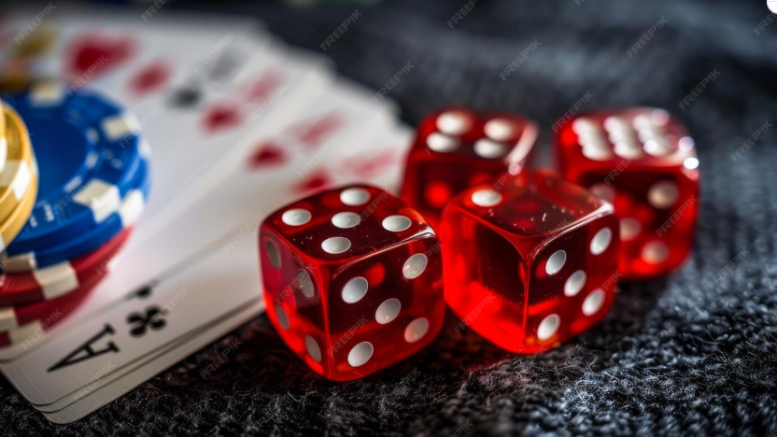
Games of chance draw people from every culture and age group. Quick bursts of excitement appear the moment the game begins. Outcomes shift without warning and jolt the senses. A brief rise in tension snaps into release. Many savor that rush. Others drift toward it for escape or pure thrill, while some chase the puzzle of uncertainty. Even small wagers spark emotional swings that keep players engaged.
The Pull of Uncertainty
Uncertainty triggers a unique psychological response. When the outcome is uncertain, the brain becomes more alert. The mind sharpens, and the heart rate increases. This tension creates its own thrill. People are drawn to see what happens next, even when the outcome is out of their hands. The small gap between hope and fear keeps them engaged, turning that gap into a form of entertainment. This appeal grows stronger when players explore different options, compare offers, or try new experiences. Some rely on odds and logic, while others trust their instincts or luck. During this research, players can check $300 free chip no deposit casino bonuses to test strategies or new games without additional financial risk. This allows them to experiment while still feeling the rush that comes from the unpredictability of chance and timing.
The Brain’s Reward System
Chance-based play activates the brain’s reward circuit. A near win or small victory releases dopamine. This chemical creates pleasure, confidence, and motivation. It also sharpens attention. Even modest outcomes can trigger this surge. People respond to these moments because the brain treats uncertainty like a puzzle. It wants to solve it. A win confirms the decision to play. A loss encourages another try. That cycle keeps tension alive. Most players do not chase money. They chase the emotional boost that follows a lucky break.
The Social Energy Around Risk
Games of chance create social moments. People talk about lucky streaks, close calls, and smart choices. These stories spread fast because they carry emotion. They capture small victories and unexpected twists.
Social energy grows when people play together. It often appears in casual settings:
- Friendly card games
- Small-group betting pools
- Community raffles
- Online chat rooms built around shared play
- Crowds watching draws or spins
Each setting builds connection. The group reacts together. That shared emotion strengthens the experience. It makes risk feel lighter and reward feel larger.
Escapism and Control
Many people turn to chance-based games for escape. A short game shifts focus away from routine stress. The mind narrows to one simple moment: win or lose. That break can feel refreshing. Some players also like the sense of control. Even in games ruled by randomness, they choose when to play, how much to risk, and when to stop. These choices create structure. People feel active, not passive. A single decision can change the outcome. That thin layer of influence, even if small, builds confidence.
The Role of Emotion
Emotion drives every turn, card, or spin. People feel anticipation before the result. Relief after it. Curiosity between rounds. Each emotion appears fast and fades fast, which creates a loop. That rhythm sets games of chance apart from many other activities.
Some emotions appear repeatedly:
- Hope: The belief that this moment might be the lucky one
- Fear: The concern that the outcome could swing the other way
- Relief: The calm after the decision resolves
- Surprise: The reaction when the unexpected happens
- Joy: The burst that follows a win
These emotions combine into a quick, intense cycle. People enjoy the movement from tension to release. They feel alive during the process.
Learning, Adapting, and Mastery
Even though chance limits control, people still learn patterns. They track results, adjust decisions, and test ideas. Players enjoy seeing improvement over time. They study odds, practice restraint, or try new methods. Many treat games like a challenge of discipline rather than luck. This sense of mastery keeps players curious. They want to apply what they learned. They want to improve their timing. They want to feel in sync with the game, even when outcomes remain unpredictable.
Personal Meaning
Risk carries personal meaning. Some players enjoy the clarity that risk produces. Others like the clean boundary between action and result. People often remember the emotional imprint of a win or near win. These memories stay sharp. They feel significant even when the stakes are small. Games of chance offer moments that break routine. A quick result can shift a mood, stir excitement, or offer release. These moments stay with people, and they return to them when they want that feeling again.
Conclusion
People love games of chance because they compress risk, reward, and emotion into a single charged moment. These games heighten awareness and spark curiosity. A flicker of tension often lingers afterward. They give players room to escape routine while still engaging their focus. They also invite small experiments and shared reactions. At their core, such games remind people how it feels to hope and face uncertainty openly.