From the outside, a track day looks like a string of short, intense bursts. Cars line up, engines scream, chequered flags wave, and then everything goes quiet again. Spectators are cheering, sharing their impressions on social media, or checking how well their bets have done. Today, they can compare various odds via traditional and bitcoin sportsbooks and get the latest insights before, during, and after the race.
But what’s happening with the drivers once a race or a session is over, when drivers are parked, sweating, waiting, and figuring out how to make the next run better.
That downtime can feel oddly chaotic to newcomers. You’re tired, the car is hot, and your next session might be 20 minutes away or two hours. Yet seasoned racers treat those gaps as essential working time, not dead air. The rhythm of cooling, checking, chatting, and resetting is where track days are often won or lost.
Understanding what really happens between heats helps explain why the paddock feels like its own world. It’s a place where problem-solving, recovery, and community overlap in ways you don’t see from the grandstands.
Cooling Down Cars And Drivers
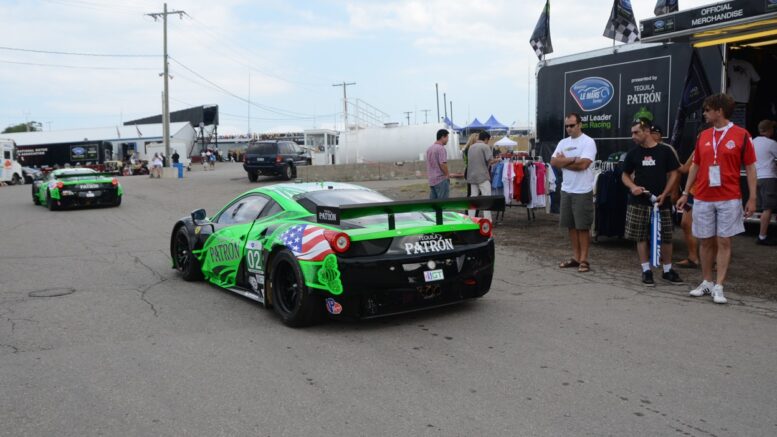
The first challenge after any hard session is heat. Engines soak, brakes cook, and drivers climb out feeling wrung out. The solution is rarely glamorous: pop the bonnet, roll the car a few feet to get airflow, and start hydrating immediately.
On hot summer track days, that recovery becomes a serious task rather than a casual break. Many drivers plan their whole setup around staying comfortable between sessions, a habit reinforced by general track-day preparation advice that stresses water, shade, and simple comforts as part of performance. According to shared experiences in the community, some drivers can go through nearly two gallons of water during a long, hot event, a figure often cited in discussions like those on r/Trackdays when hydration comes up.
Cooling the car matters just as much. Letting oil and coolant settle back into a safe range reduces wear and gives more consistent performance later. The break isn’t laziness; it’s preventative maintenance.
Checking Logs And Making Adjustments
Once the heat is under control, attention shifts to information. Modern track days are full of laptops, tablets, and phones balanced on fenders as drivers scroll through lap times, RPM traces, and throttle data. Even at grassroots events, racing has become quietly data-driven.
Those checks are often paired with small, targeted tweaks. Tire pressures get nudged, damper clicks adjusted, or launch settings revisited. In drag racing paddocks, it’s common to see competitors reviewing electronics like delay boxes, which precisely control launch timing, a concept explained clearly in the background of a delay-box explanation. These aren’t major rebuilds, just careful refinements guided by what the last run revealed.
Paddock Talk And Time Killers
Between heats, the paddock becomes social. Helmets come off, chairs come out, and conversations start flowing across open hoods. Advice is traded freely, especially when someone is chasing a setup issue or a stubborn lap time.
These chats serve a purpose beyond entertainment. Talking through a corner sequence or a missed shift helps drivers mentally replay what happened, reinforcing lessons without sitting alone in their head. At the same time, lighter distractions help break the intensity. Card games, music, and the occasional nap in the shade all have their place.
Killing time isn’t wasted time if it resets your focus. A driver who steps back, laughs, and relaxes often returns sharper than one who obsesses nonstop over the car.
How Downtime Shapes Track Culture
All of this in-between work solves a deeper problem: sustaining performance over a long day. Track days aren’t sprints; they’re marathons broken into short races. Managing energy, both human and mechanical, is the only way to stay consistent.
That reality has shaped a distinct culture. The paddock rewards preparation, patience, and openness. Someone with spare water or a charger becomes instantly popular. Knowledge spreads quickly because everyone benefits when the group runs smoothly.
For MontrealRacing.com readers, the takeaway is simple. The time between heats isn’t filler. It’s where drivers recover, learn, and connect, turning isolated runs into a shared experience. Mastering that downtime doesn’t just make you faster; it makes the whole day better.